The historical analogy
- Dill compares today's AI building boom with postwar construction. Modernism began with a deliberate point of view, but rapid repetition stripped its forms of their original intent and fit to context.
0:060:36 - Her warning is about copying appearances without considering purpose, users, surroundings, or brand. She argues that AI creates a similar risk as small teams gain much greater building capacity, describing teams of three doing work that previously required 30. This is an illustrative claim, not a reported benchmark.
1:342:00
Three watch points
- Generic answers. Dill argues that LLMs favor probable, familiar patterns over ideas specific to a brand or user. Her example is a Korean barbecue website whose appearance suggests software rather than a restaurant.
2:172:44 - The temptation of done. Fast generation makes an interface feel finished before anyone establishes whether it solves the problem or differentiates the product. Rounded corners and shadows can disguise that gap. Her 90-second microwave burrito illustrates accepting poor quality because delivery was fast.
3:043:31 - Disposable work. Cheap, quick production can weaken accountability for decisions, maintenance, and the long-term product.
3:56
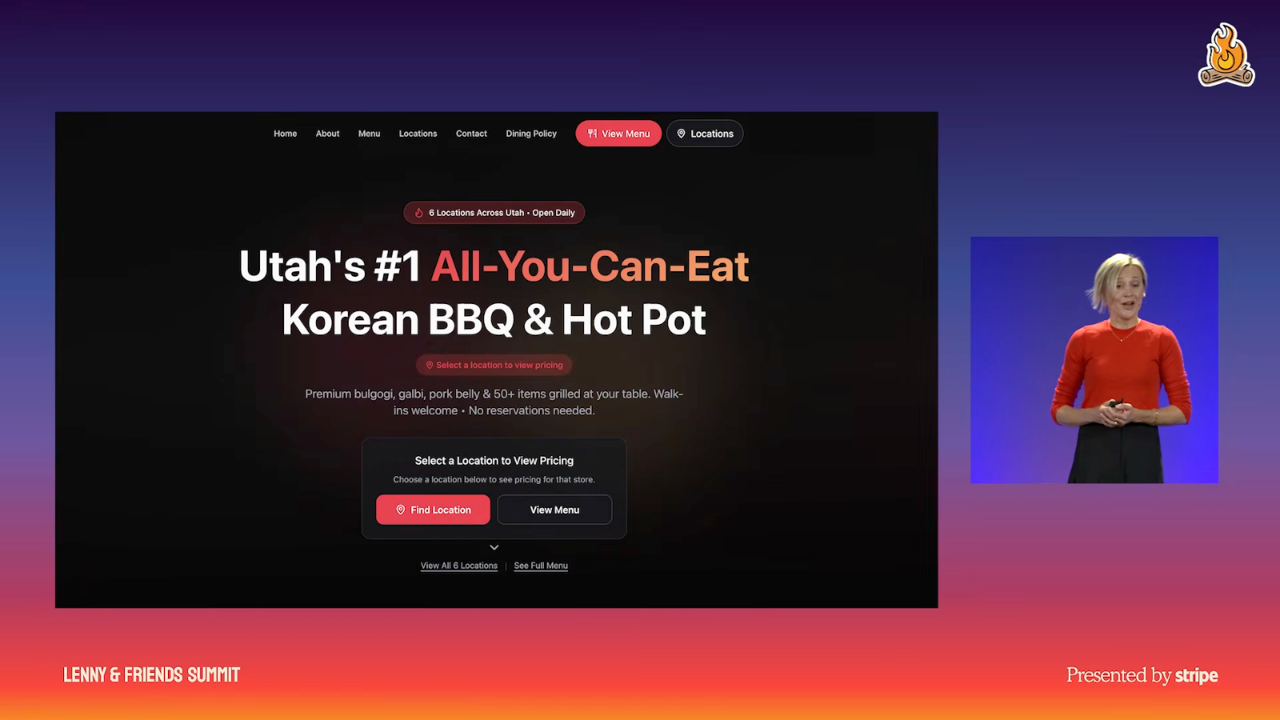
Figure 1. A Korean barbecue site uses visual patterns associated with software websites. Dill uses it to show how polished defaults can miss a business's character and context. 2:44
What care looks like
- Dill calls the combined failure mode "zombie UI": monotonous, vacant, or uncared-for interfaces made from patterns poorly suited to their context.
4:26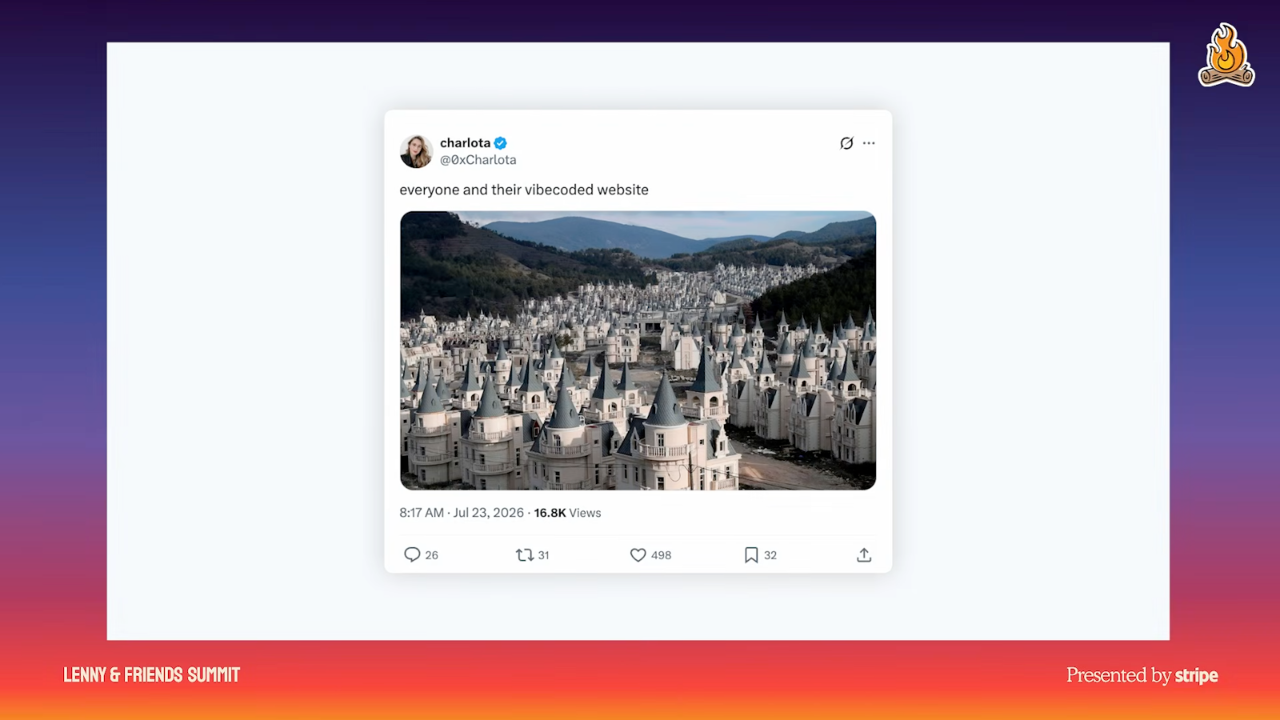
Figure 2. Repeated buildings in Turkey illustrate Dill's warning about generic construction. She compares this repetition with software that lacks a distinct purpose or owner. 3:56